How to Use The Clinic's Injectable Pen (Step-by-Step)

How to Use The Clinic's Injectable Pen (Step-by-Step)The Clinic's...


GHK-Cu is one of the most interesting peptides in the regenerative space because it appears to support far more than just skin appearance. This naturally occurring copper-binding tripeptide has been linked in review literature to collagen and elastin support, wound repair, connective tissue health, blood-vessel growth, nerve outgrowth, antioxidant protection, anti-inflammatory signalling, and broader repair-focused gene-expression patterns. That gives it a much stronger case than the average anti-aging ingredient.
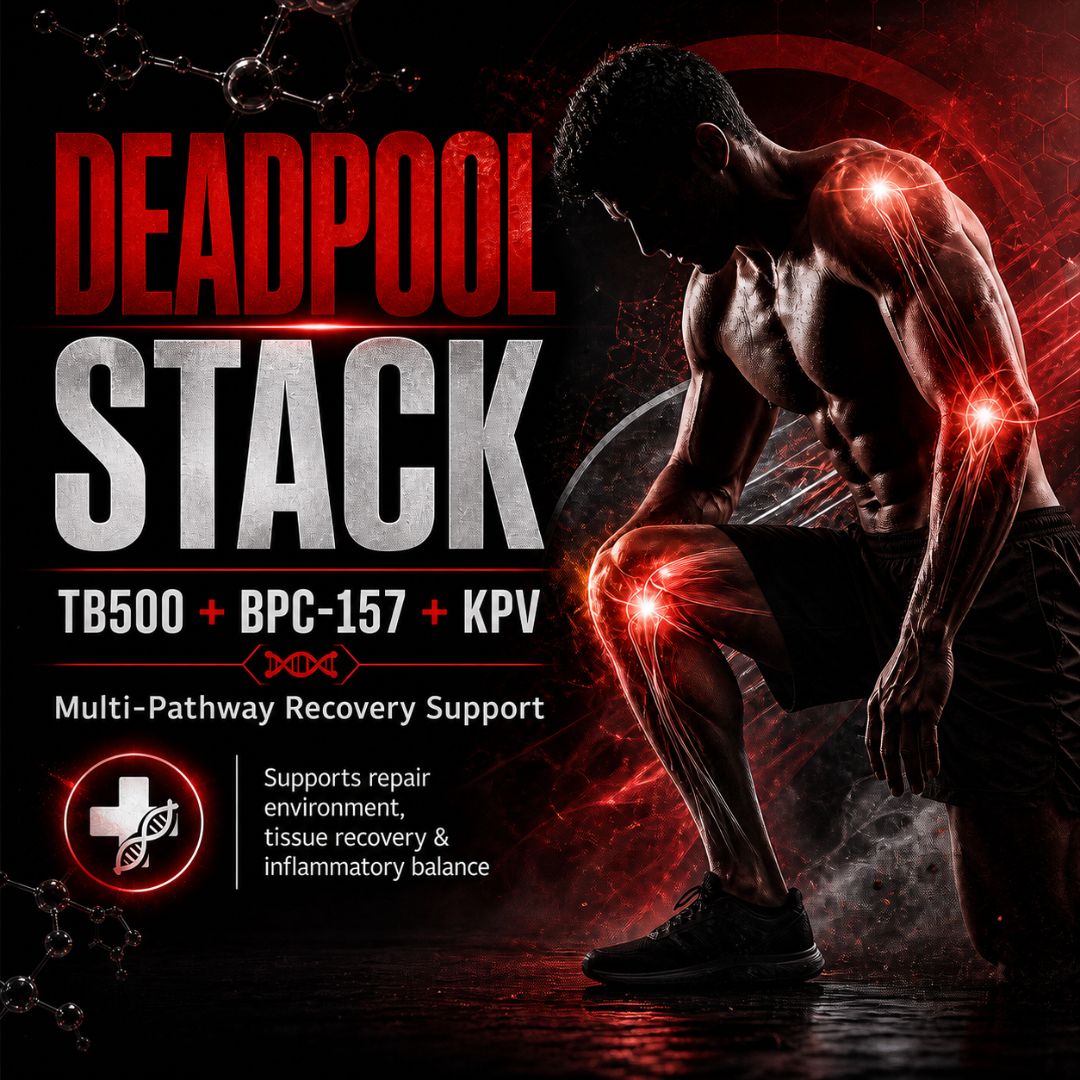
Recovery is rarely limited to one pathway. When tissue is irritated, overloaded, or slow to recover, the issue is often not only structural damage. Recovery also depends on the repair environment, inflammatory balance, blood-flow support, tissue remodelling, and how well the body tolerates progressive loading.
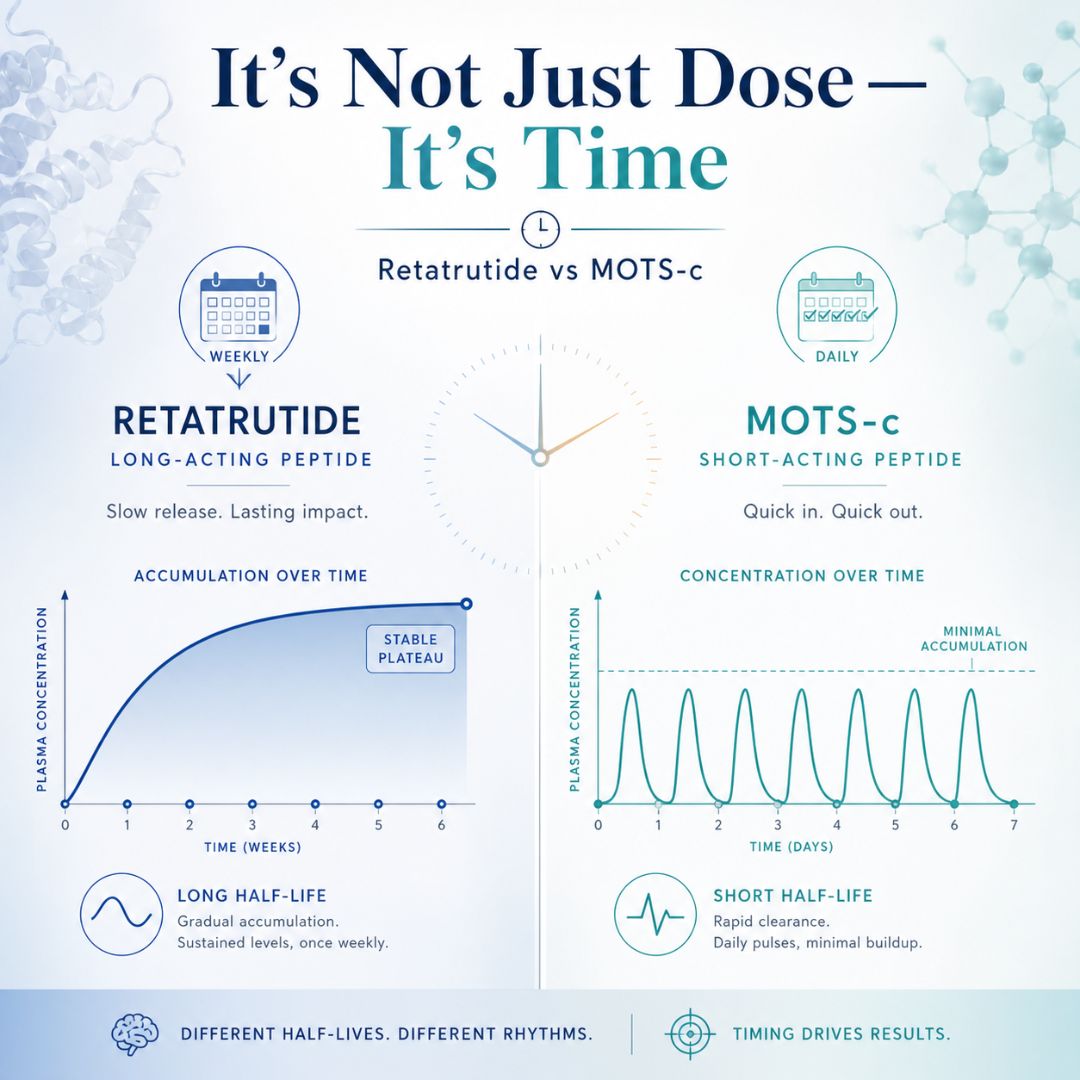
Peptides are often approached too narrowly. People focus on dose: how much to take, how often to take it, and when to increase. But that misses the more important principle.
Peptides are not single-event interventions. They are time-dependent signalling compounds, and their effect is shaped as much by how long they remain active in the body as by the dose itself.

A new format is coming to The Clinic.
With oral NAD+ and glutathione on the way, the conversation is not simply about adding two more products. It is about adding a different kind of support experience — one that feels simpler, more familiar, easier to travel with, and easier to build into everyday life.

For many adults, the first signs of aging do not arrive dramatically. They show up quietly.
Energy feels less reliable. Recovery takes longer. Stress seems to bite harder. Sleep does not restore the way it once did, and the ability to stay sharp, active, and resilient through a full week starts to feel less automatic.
How to Use The Clinic's Injectable Pen (Step-by-Step)The Clinic's...
 Research-Backed Compounds
 Precision Pen System
 Ongoing Guidance
 Fast, Discreet Shipping