How to Use The Clinic's Injectable Pen (Step-by-Step)
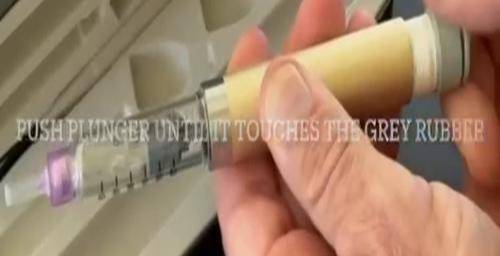
How to Use The Clinic's Injectable Pen (Step-by-Step)The Clinic's...
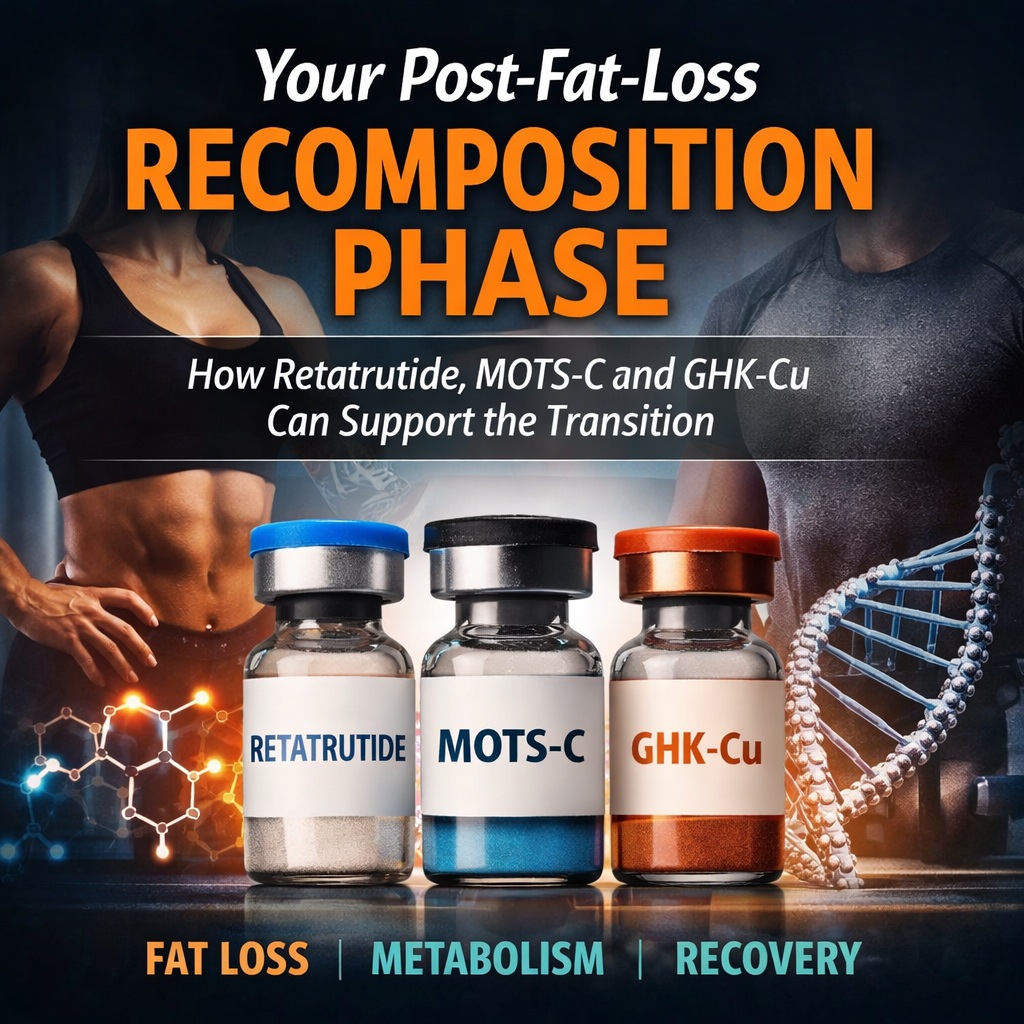
Losing body fat is an achievement. Maintaining it while improving muscle tone, metabolic resilience, and overall body composition is the real challenge.Many people focus intensely on the cutting phase. They reduce calories, increase activity, and use metabolic support tools to accelerate fat loss. But once significant weight reduction has occurred, the body enters a new phase.
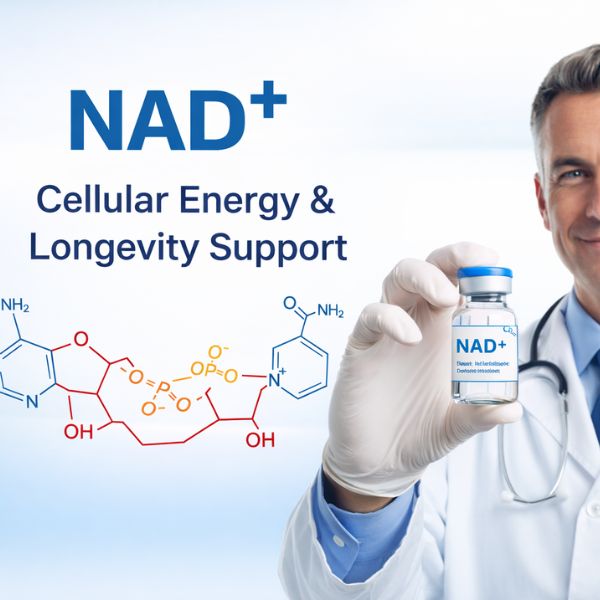
Nicotinamide Adenine Dinucleotide (NAD⁺) is a naturally occurring coenzyme present in every living cell. It plays a central role in cellular energy production, DNA repair, and metabolic regulation. Within a clinical setting, NAD⁺ support is increasingly explored as part of evidence-based strategies aimed at improving cellular efficiency, resilience, and overall healthspan.
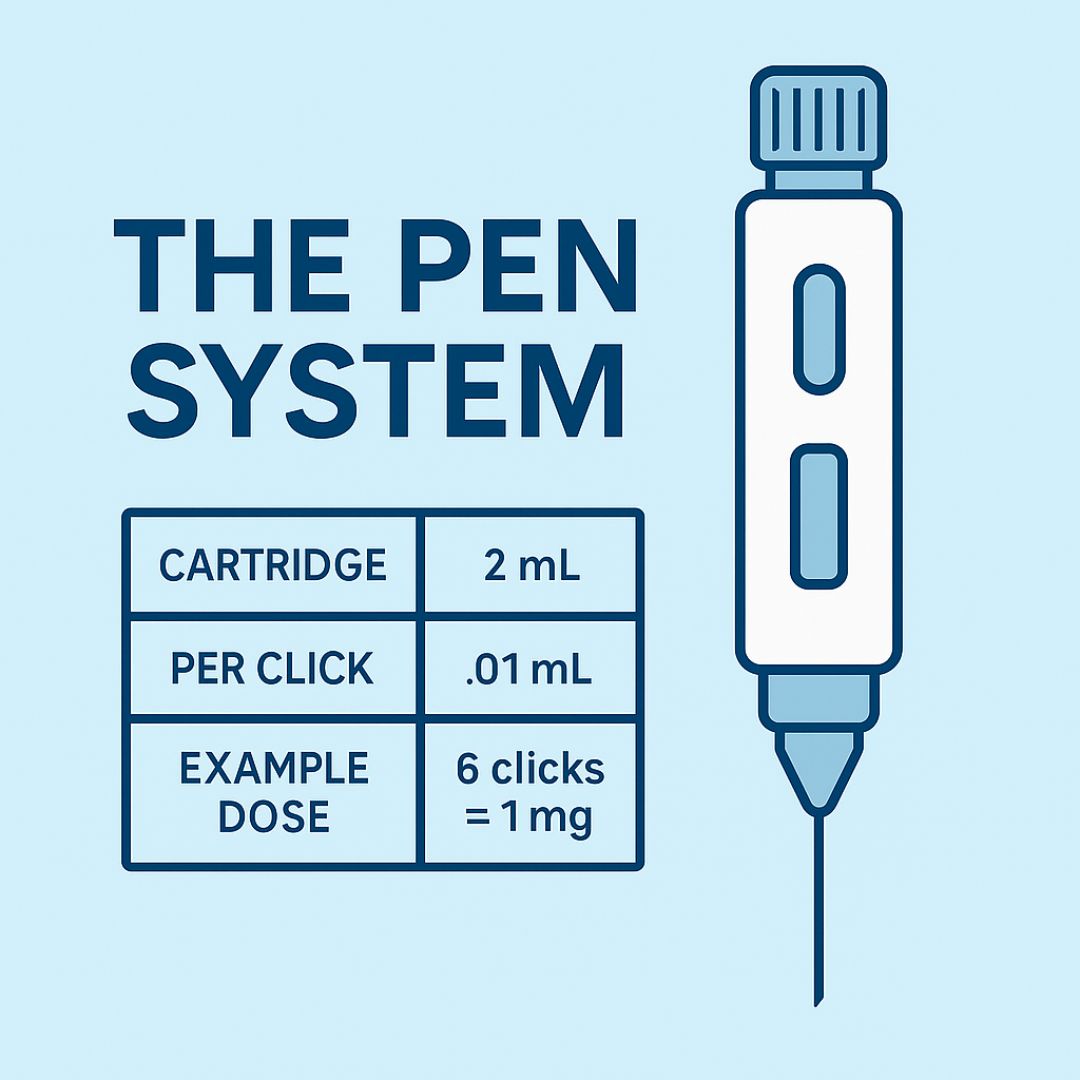
At The Clinic, every peptide therapy uses the same 2 mL pen cartridge — a universal format designed for simplicity and precision. Each cartridge contains 200 clicks in total, giving you consistent, reproducible dosing for all products.
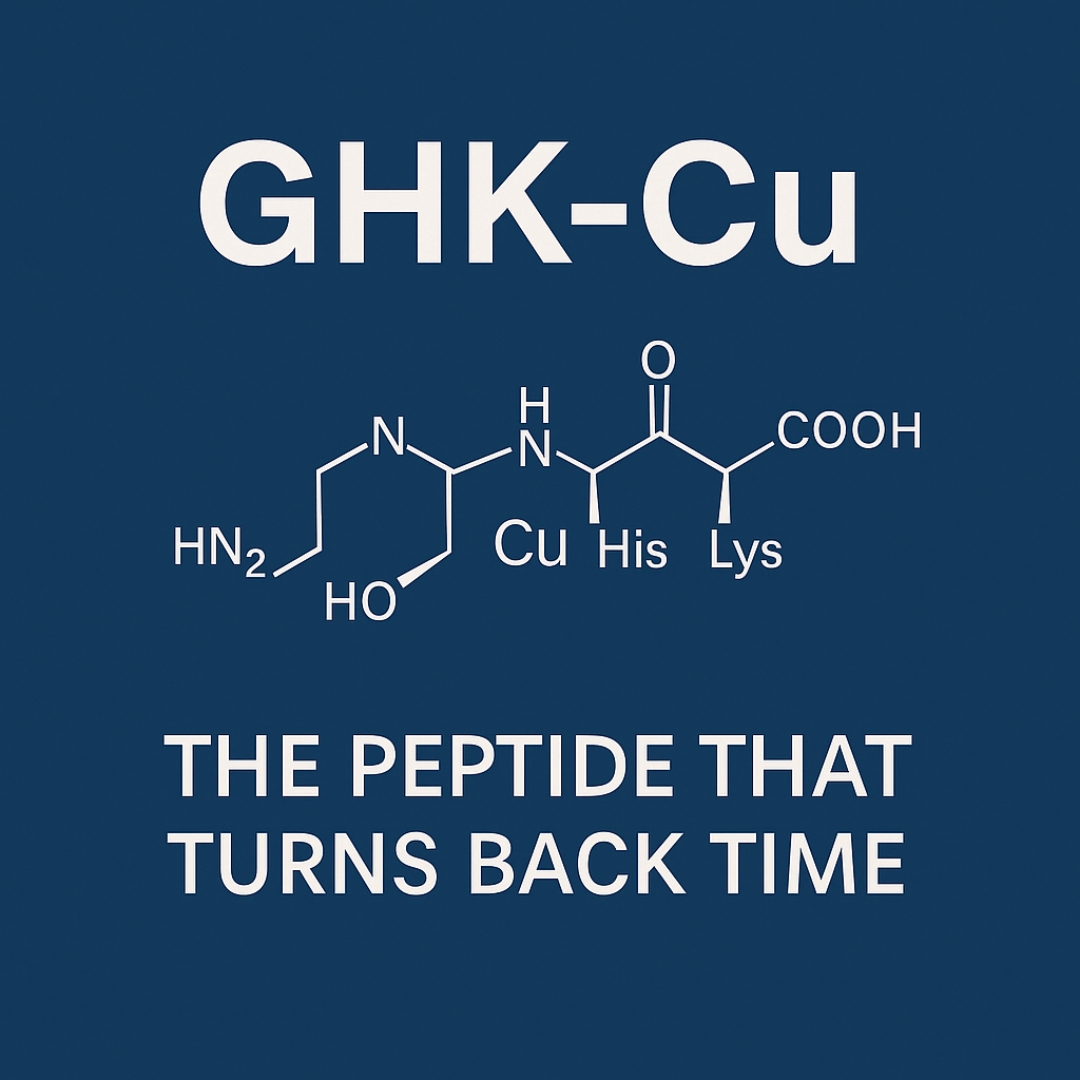
GHK-Cu (glycyl-L-histidyl-L-lysine-copper) is a naturally occurring **copper peptide** found in young, healthy human plasma and tissues. Its levels decline sharply as we age — part of the reason our skin loses firmness, wounds heal slower, and recovery takes longer. First discovered in the 1970s by biochemist Loren Pickart, GHK-Cu acts like a **cellular “reset” signal**, reminding our tissues how to repair, renew, and protect themselves.
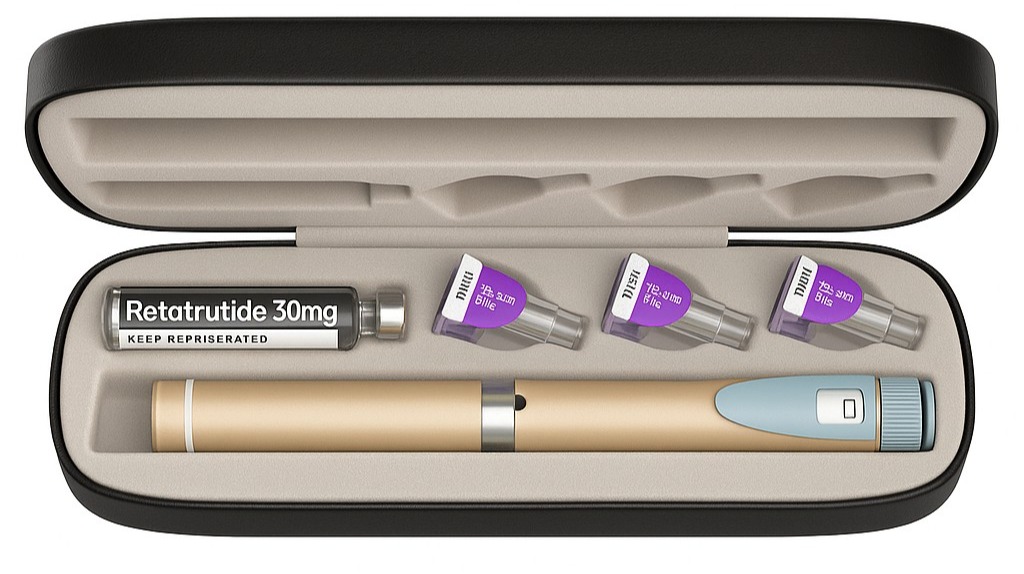
In recent years, the landscape of weight management and diabetes treatment has seen a transformative shift thanks to the advent of peptides like Semaglutide, Tirzepatide, and the newcomer Retatrutide. These compounds have sparked global interest—not only among those managing type 2 diabetes but also among individuals seeking medical assistance with sustainable fat loss.
But what makes these peptides different from one another? Is one better than the other? And how do you decide which is right for you? Let’s explore the core differences, benefits, and limitations of each.
How to Use The Clinic's Injectable Pen (Step-by-Step)The Clinic's...
 Research-Backed Compounds
 Precision Pen System
 Ongoing Guidance
 Fast, Discreet Shipping